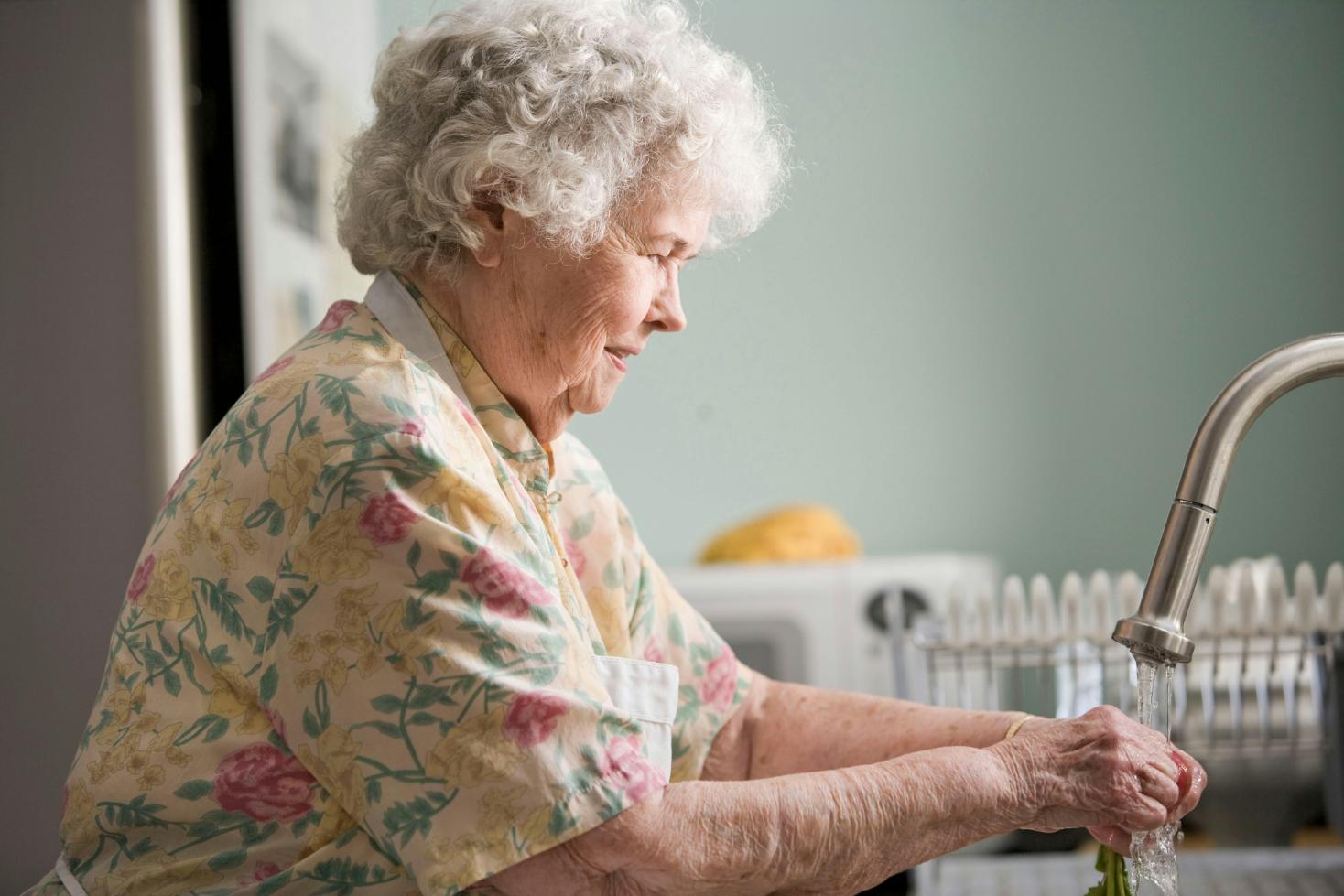
Worrying about losing independence is very common when thinking about moving into a care home. While it is an understandable fear, a good care home will prioritise supporting people to keep making choices, stay connected to the things they enjoy and live in a way that feels personal to them. In this blog we’ll look at how care homes support residents' wellbeing and why is it so vital.
Fear of Losing Independence
Many people move into a care home to ease the burdens of everyday life, especially when daily tasks become more challenging due to physical or cognitive changes that can come with ageing. This may include support with personal care, mobility, cooking, cleaning or other everyday responsibilities. Giving up some of these tasks can feel like giving up autonomy, but a good care home will help residents continue living the life they want, just with less stress and more support around them.
There are many ways this can be encouraged across every part of a resident’s life. This can include personalised care plans, flexible daily routines, meaningful activities, familiar hobbies and smaller choices that help someone feel like themselves. Person-centred care plays a huge part in maintaining independence because it puts the resident’s needs, preferences and wishes at the centre of their care.
The Importance of Staying Independent
Losing independence and confidence can have a real effect on mental wellbeing. When someone feels they no longer have a say in their daily life, they may become withdrawn, anxious or less motivated. This can also affect physical health, especially if a person has fewer reasons to stay active, take part in conversation or enjoy regular stimulation.
A sense of independence helps support confidence and self-esteem. Being able to make decisions, even small ones, reminds a person that their voice still matters. Choosing an outfit, joining an activity or deciding when to rest can all help someone feel more in control.
Independence can also provide a sense of purpose. Purpose does not have to come from large responsibilities. It can be found in continuing a favourite hobby, helping with a simple task, keeping up with a daily routine or spending time with people who matter.
Staying independent can reduce feelings of isolation too. In a good care home, residents should feel seen, heard and valued as individuals. They support the important balance of being part of a warm community while still keeping their own personality, preferences and private space.
Independence in Health and Social Care
Maintaining independence in health and social care is about empowering choice and autonomy wherever possible. It means supporting people to do what they can for themselves, while making sure help is available when it is needed.

Person-Centred Care
Care assistants in a good care home will not assume that someone needs help with everything. They will only step in when asked, when agreed as part of a care plan or when it is needed for the person’s safety. This gentle approach can make a big difference. Sometimes, simply knowing support is nearby can give someone the confidence to try things again or regain skills they thought they had lost.
Residents should not be rushed. They should be encouraged to take things at their own pace, whether they are getting dressed, walking to the dining room or joining an activity. Patience helps protect dignity, and it allows people to stay involved in their own care for as long as possible.
Empowering Choice
Choice in daily routines is another important part of independence. Residents should be able to have a say in what time they wake up and go to bed, when they would like to socialise, when they want quiet time and which activities they would like to take part in. A routine can bring comfort, but it should still feel personal.
Activities should be enriching, engaging and based on residents’ existing interests wherever possible. This might include music, gardening, crafts, games, gentle movement, baking or time outdoors. Activities can also be adapted so residents with different abilities can take part. This helps build confidence and can create a sense of teamwork, community and belonging.
Mealtimes are another everyday opportunity for choice. Deciding what to eat and where to eat it can help residents feel more at home. Some people enjoy the social side of a communal dining room, while others may prefer a quieter meal in their own bedroom from time to time.
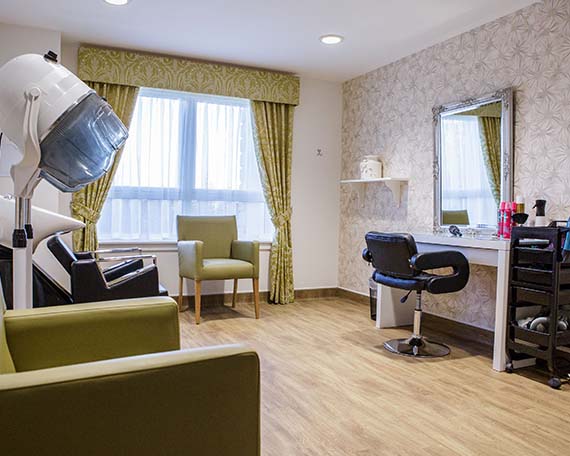
Maintaining personal style and identity is just as important. Choosing what to wear each day can help someone feel like themselves, even if they need support with changing. Clothes, jewellery, hairstyles and familiar routines all contribute to a person’s sense of identity. Some homes even have an on-site hair salon to help residents look and feel their best.
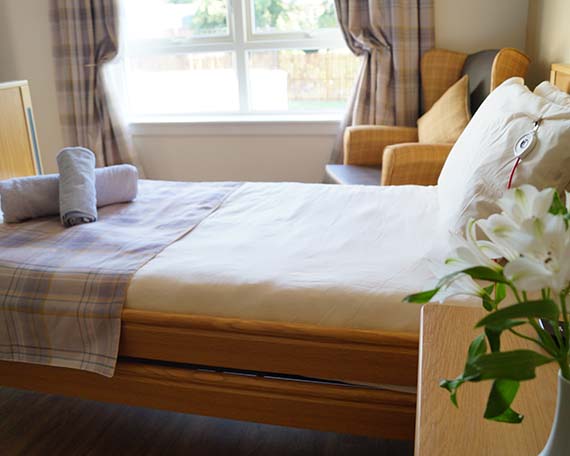
Bedrooms should feel personal too. Being able to decorate a room with special pieces of furniture, favourite blankets, pillows, photographs, ornaments or other meaningful items can bring comfort and familiarity. These details help turn a room into a private space that reflects the person who lives there.

Safe and Secure Environment
A safe, secure and open-plan environment can also support independence. When the risk of falls is reduced and obstacles such as heavy doors, clutter or poor lighting are managed, residents can move around more freely. This means they can choose where to go, whether that is a communal lounge, a quiet bedroom, a garden space or another part of the home. Soft lighting and reduced shadows can also help people feel more comfortable and confident as they move through the building, particularly for residents living with dementia.
Social connection also supports independence. Residents should be able to spend time with the people they choose, build friendships and keep in touch with loved ones. A good care home encourages companionship while also respecting when someone wants privacy or time alone.
Promoting Independence at Haddington Care Home
The right care home understands that independence looks different for every person. For one resident, it may mean continuing to get dressed with only a little support. For another, it may mean choosing where to sit for lunch, joining a favourite activity or spending quiet time with a book. What matters is that each person is listened to and supported in a way that feels right for them.
At Haddington Care Home, we support residents’ independence by getting to know them as individuals. We take time to understand their routines, preferences, hobbies and personal history, so care can be shaped around the life they want to continue living. Our team is there to offer gentle support when it is needed, while encouraging choice, confidence and dignity in everyday moments. Book a home tour today to see our expert care and luxury facilities first hand; we can't wait to meet you.