What Is Holistic Nursing Care?

You may have heard about holistic or person-centred nursing care, but what does this really mean? In this blog, we’ll explore the basic necessities of nursing care, what makes holistic care special and the benefits it can bring.
What is Nursing Care?
Nursing care offers comprehensive support to people with complex health needs, disabilities, or who are recovering from illness or injury. Highly-skilled, qualified nurses provide continuous medical care, medication management and 24/7 on-call support. Daily living assistance such as helping with washing, dressing and mobility is also included in nursing care.
Nursing care is designed to maintain dignity and independence while receiving medical care in a supportive community setting. Facilities offered in nursing homes vary but an all-inclusive, luxury home will offer enhanced dining experiences, carefully designed rooms, and features such as an in-house hair salon or outdoor spaces for residents.
Holistic Care in Nursing
Holistic nursing care goes further than simply managing a person’s medical conditions; it supports the wellbeing of the person as a whole, including their physical, mental and emotional health. Many holistic nursing concepts can be attributed all the way back to Florence Nightingale. These techniques have been proven to enhance residents’ overall wellbeing, enabling them to live an enriching life lead by their own choices.
Small techniques that promote dignity include making eye contact, using individuals’ names, active listening, and reassuring patients by communicating with them in ways they can understand.
Getting To Know Residents
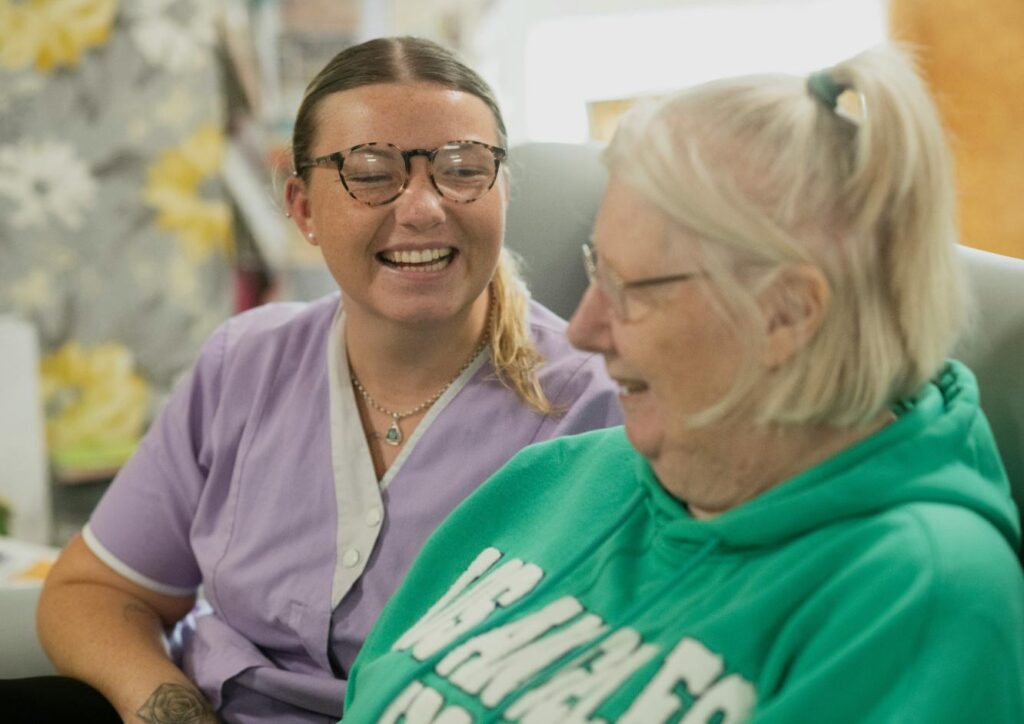
Care staff form strong relationships with residents and get to know their personalities, interests, sense of humour, strengths and abilities. This knowledge and information is used to create a sense of normality for residents, so they can continue to live a fulfilling life with their condition. For example, carers will also learn about a person’s religious and spiritual beliefs and support them to continue their customs and practices.
Wellbeing Activities
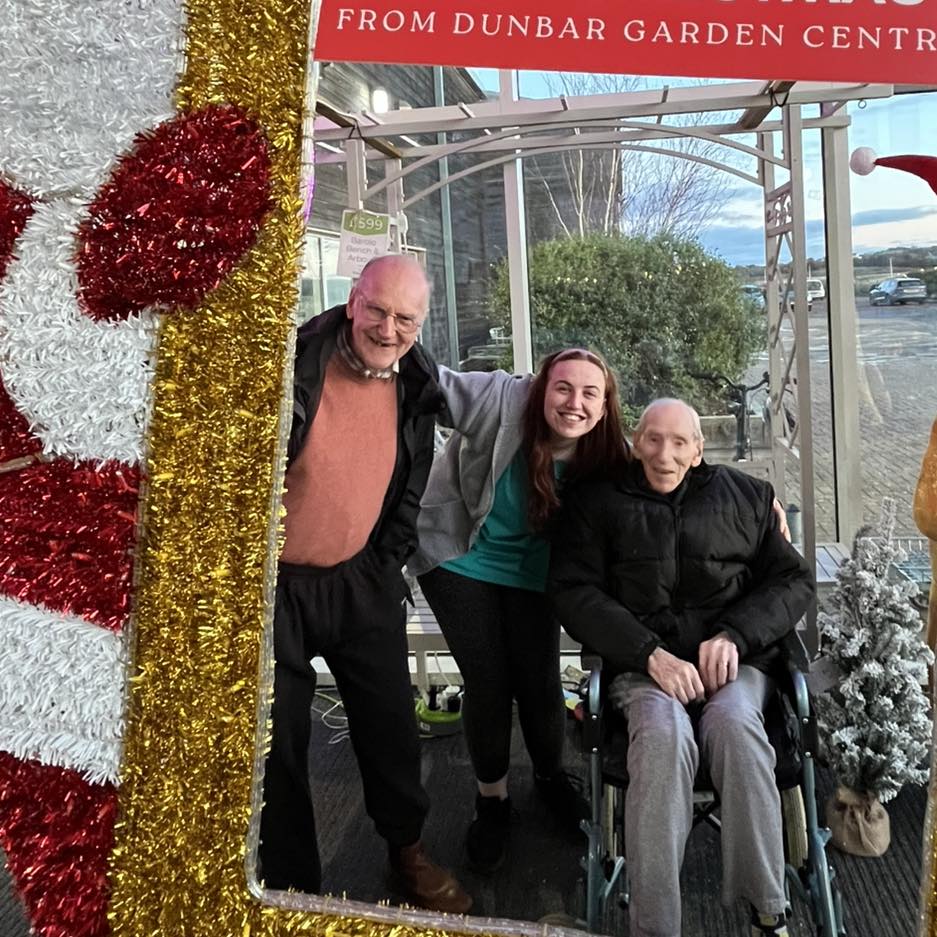
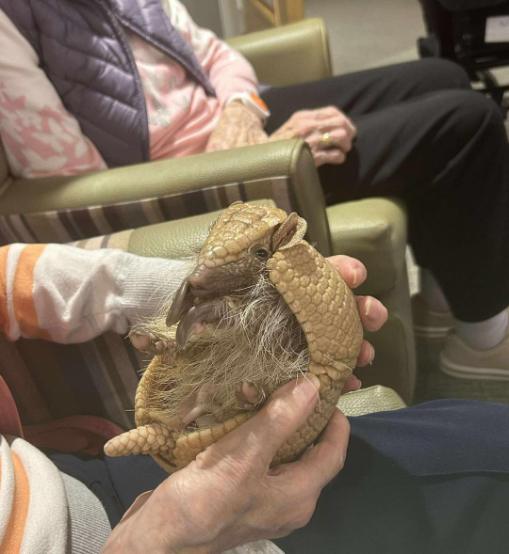
Events and activities in care homes are organised with residents in mind. For example, if a resident used to be a musician, in-house concerts of their favourite style of music can be arranged. Continuing existing hobbies is essential for retaining a sense of self and identity, as well as offering comfort, enjoyment and an opportunity for reminiscence. Similarly, picking up new skills and trying a range of activities is also vital for mental stimulation. Keeping the brain active is not only great for our mental and emotional health, it has even been shown to slow the progress of conditions such as dementia.
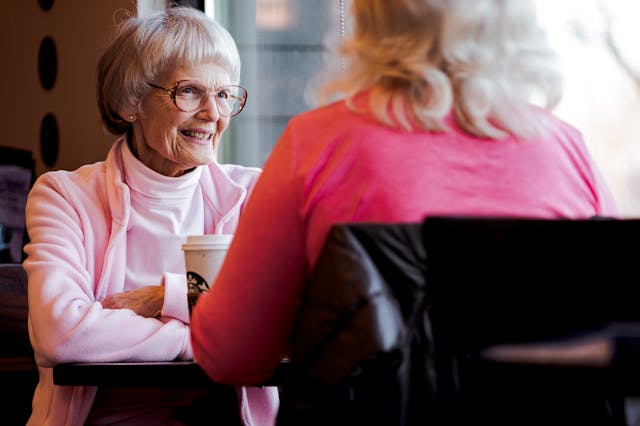
Activities can also promote physical activity. Gentle and seated exercise can improve strength and balance, reduce risk of falls and boost mood. Outdoor activities, provided in many care home gardens, can also have many physical and mental health benefits. Spending time in nature can improve sleep, strengthen immune system and improve cognitive function.
Supportive Environment
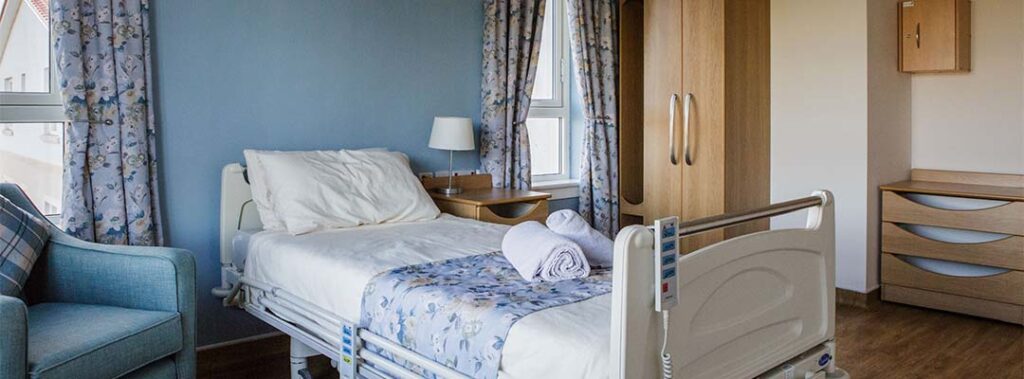
Purpose-built rooms and facilities, such as accessible bathrooms, handrails and wide corridors, make encouraging independence easier and safer. Allowing residents to decorate their bedroom to their taste brings the ability to fully relax, therefore nurturing their recovery and physical health. Surrounding themselves with treasured possessions allows residents to reminisce and feel at home.
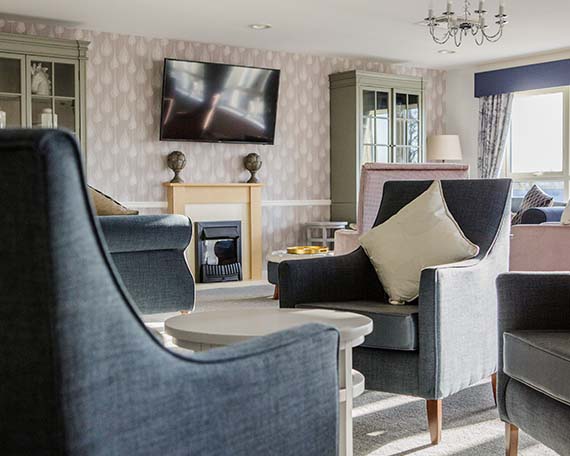
Emotional support can come from many places. Specialists or trained nurses can provide cognitive behavioural therapy or other talking therapies to residents who require additional support. Meditation and mindfulness are also hugely beneficial activities that have a significant place in holistic care. Alternatively, emotional support can be found through peers, and a communal space in a care homes is the perfect place for socialisation with like-minded people. Staying socially active has huge benefits, including combatting depression and anxiety, boosting mood and self-esteem, and can even improve physical health and the immune system.
Boosting Physical Health
Some care homes offer additional services such as an oral care team or wound care experts. Alongside medical support, some nursing care providers also offer complementary therapies, or have visiting specialists supply services such as reflexology, massage or aromatherapy.
Holistic nursing care also prioritises keeping excellent nutrition through healthy eating. Many care homes will have expert in-house chefs who will craft seasonal menus based on residents tastes and the nutrition they need.
To summarise, holistic nursing care recognises the individuality of each resident, and sees the person, not the diagnosis.
Person-Centred Nursing Care
Most care homes will provide person-centred care, working with families and residents to create a tailored care plan. This puts the individual in charge of their own care and supports independence where possible. Residents are empowered to make their own decisions about what to eat, what activities to take part in and the support they receive, as long as they are safe.
Nursing Home In East Lothian
Haddington Care Home in East Lothian is proud to provide exceptional holistic nursing care for all our residents. We celebrate each unique individual and empower them to live a rich and fulfilled life. Our experienced and dedicated team ensure residents of all abilities feel safe, comfortable and secure in our care home.
With luxury facilities including beautiful en-suite bedrooms, a varied wellbeing activities programme, private secure gardens and open plan living, it’s easy for residents to feel right at home. Our compassionate care team form close relationships with residents to craft a personalised care plan and provide exemplary care every day. Get in touch today to arrange a home tour and see how we support residents to reach their full potential.